March 25, 2026
How Liberia’s DPG-based Inclusive Instant Payments System is Advancing Interoperable Payments
Author: DPGA Secretariat
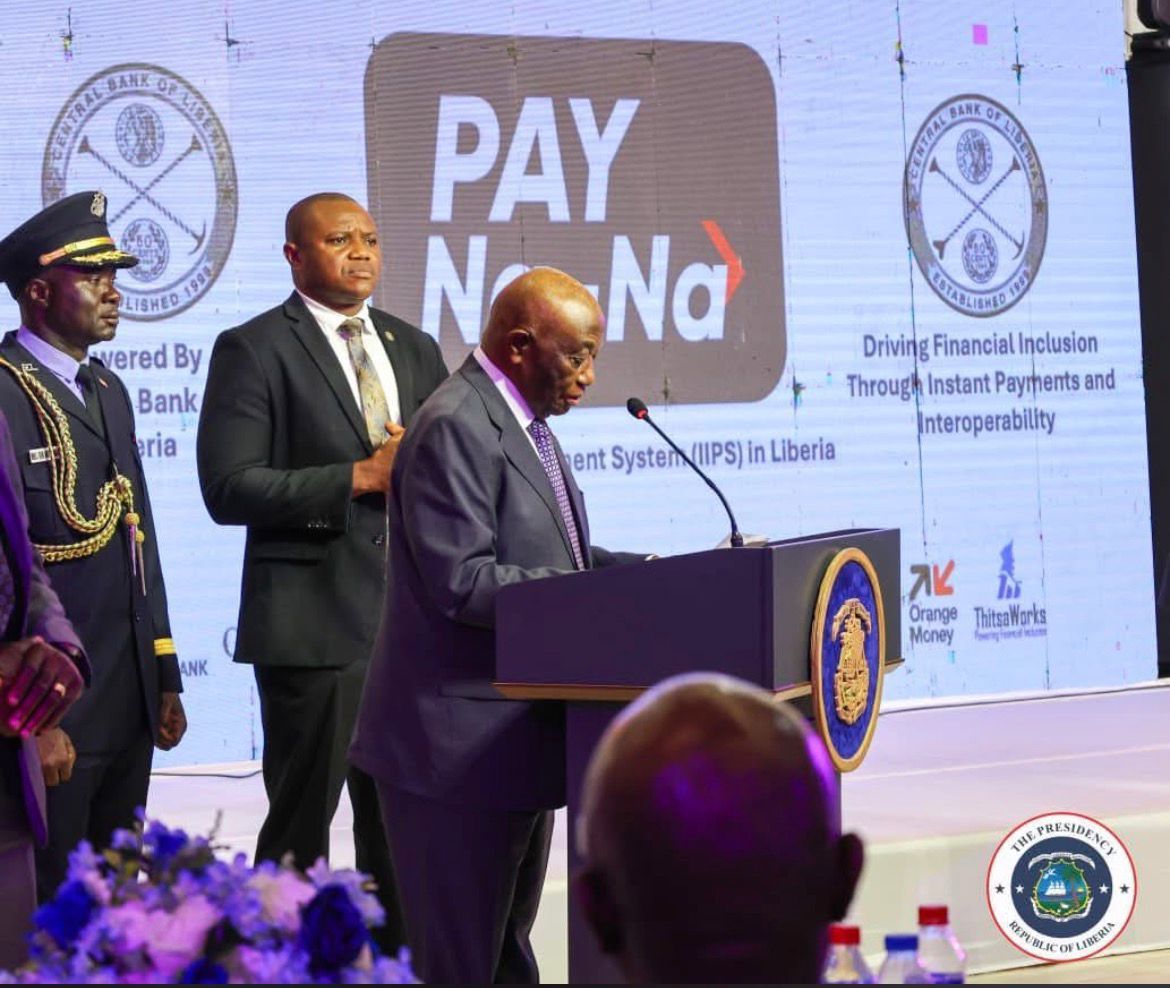
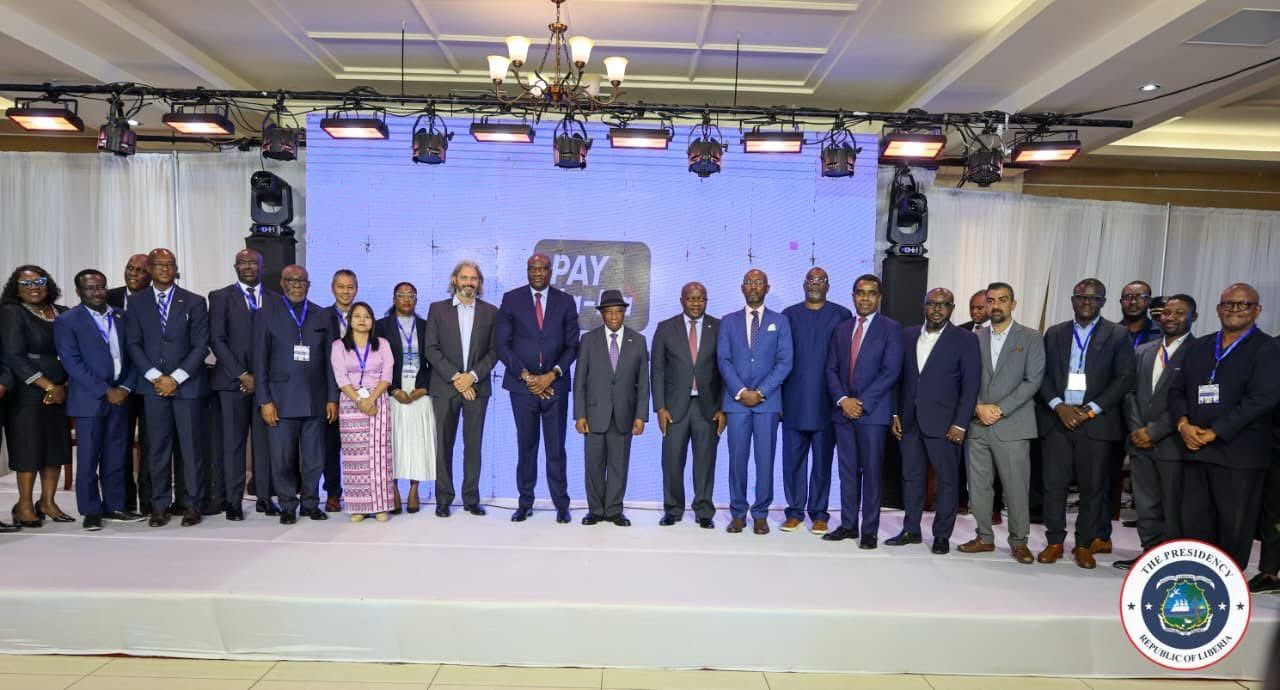
Liberia, home to 5.6 million, has long been a cash-heavy economy. This began to change with the launch of “Pay Na-Na”, the Liberian Inclusive Instant Payments System (IIPS), a modern, real-time interoperable payments platform powered by Mojaloop, a recognised DPG, which is helping to strengthen Liberia’s digital public infrastructure. This was made possible by joint efforts from the Mojaloop Foundation, the Central Bank of Liberia (CBL), ThitsaWorks, and The AfricaNenda Foundation.
Normally, DPI related payments projects take 12–24 months to implement. However, Liberia’s IIPS, which went live in December 2025, took just 73 days to execute, making it the fastest Mojaloop implementation to date. Notably, the programme was delivered at a fraction of the cost typically seen in comparable payments initiatives in other countries.
Immediate changes were evident, as Pay Na-Na transactions immediately hit scale. Additionally, the IIPS enabled mobile money transfers between the country’s two major mobile network operators, helping to advance the CBL’s mission to digitise the national economy and enable interoperability across mobile providers, banks, microfinance institutions, fintechs, and government. The system is also improving the lives of citizens and businesses by enabling fast, reliable, and secure digital transactions that reduce reliance on cash and expand financial inclusion. Government payments, including salaries and social benefits, will become more efficient and transparent; salary processing that previously took seven days can now be done in seconds.
While the agility to adapt and implement quickly, as well as lower costs, make DPGs advantageous for DPI implementations, the success of the IIPS implementation was also driven by strong institutional coordination. This was particularly significant given the complex nature of payment systems, as existing, siloed payment platforms often make interoperability difficult. In Liberia’s case, strong participation from the CBL played a critical role in navigating challenges and aligning stakeholders around an interoperable national system.
Another added value of this implementation was the opportunity to work with a systems integrator, ThitsaWorks, which had prior experience implementing Mojaloop in Myanmar, where it served as a local partner. Building on that experience, ThitsaWorks is now helping to lead Mojaloop implementations in four additional countries, including Liberia. In each case, the approach goes beyond delivery. Local partners, working with the system integrator, are equipped not only to implement the system, but also to operate and maintain it over time—and, in some cases, to become future systems integrators themselves. This experience helps demonstrate how implementing DPGs can serve as a pathway for building local capacity, rather than short-term technical dependency.
This content is part of the 2025 State of the Digital Public Goods Ecosystem Report, published by the Digital Public Goods Alliance in early February 2025. Learn more about the Alliance’s latest community highlights and explore the full report here.