March 30, 2026
Open Data Editor: Making Data Validation Accessible for All
Author: DPGA Secretariat
Communities cannot leverage open data or collaborate effectively if they are unable to share and reuse datasets without friction. Created by the Open Knowledge Foundation, Open Data Editor (ODE) is a desktop application that helps address this gap by enabling user-friendly data validation for people without technical or programming skills. In doing so, organisations can automatically detect errors and clearly identify what needs to be fixed before data is published or used for deeper analysis. Organisations using ODE report saving time and achieving significantly improved data quality, without data-engineering dependencies.
Throughout 2025, ODE, which is supported in six languages, was adopted by organisations and governments all around the world. Use cases ranged from data verification by municipal workers in Croatia and Nepal to housing analysis in Argentina, investigative journalism in Mexico, and academic library services in India.
Across these contexts, ODE was used by journalists, public servants, students, and peace activists—many with no technical background. By lowering the barrier to using and verifying data, ODE enabled users to consume, produce, and reuse high-quality datasets without requiring deep expertise in data algorithms or standards. This had a direct positive impact on the research and activities they were pursuing, while also generating feedback that flowed back to the ODE core team, enabling continued improvements based on real-world use cases and practical requirements.
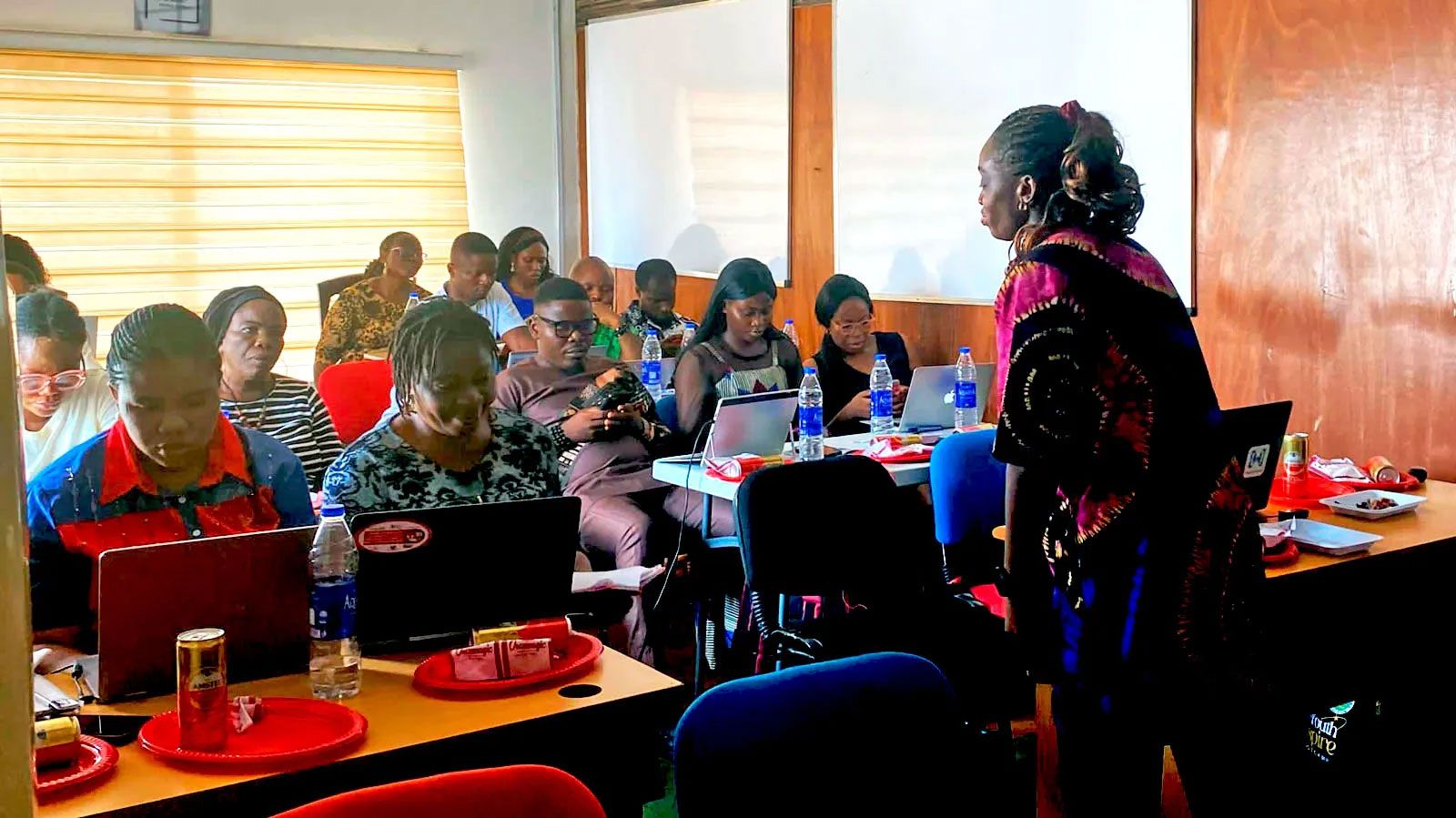
Recognising the importance of data literacy and in support of the goals that ODE helps advance, the Open Knowledge Foundation’s School of Data delivered targeted training sessions in 2025 to equip trainers to introduce and implement ODE in new communities. Rather than focusing solely on individual users, this approach invested in local trainers who can sustain and extend adoption over time. As a result, an estimated 500 people across all continents were trained to use ODE, helping to embed data literacy and practical data skills across diverse contexts.
The evolution of ODE remains closely linked to the needs of the communities that use it, reflecting a deliberate emphasis on informed, community-driven development as a core principle of The Tech We Want. Looking ahead to 2026, expected outcomes include establishing a decentralised governance framework to support project sustainability, translating all documentation and literacy resources into four additional languages, and positioning the School of Data as a multilingual AI literacy hub.
This content is part of the 2025 State of the Digital Public Goods Ecosystem Report, published by the Digital Public Goods Alliance in early February 2025. Learn more about the Alliance’s latest community highlights and explore the full report here.