
April 2, 2026
Establishing the Foundations of Digital Civil Registration in Somalia
Author: DPGA Secretariat
Decades of conflict in Somalia led to the collapse of the national civil registration system, leaving the government with limited population data and citizens without reliable legal identity or proof of civil status. This gap constrained service delivery, social planning, and broader state-building efforts.
The initial phase focused on implementing birth and death registration, with a second phase expanding the system to include additional vital events. This phased approach enabled Somalia to reinforce its legal frameworks, develop institutional capacity gradually, and thoughtfully extend the system to encompass additional life events, such as marriage, divorce, and household registration.
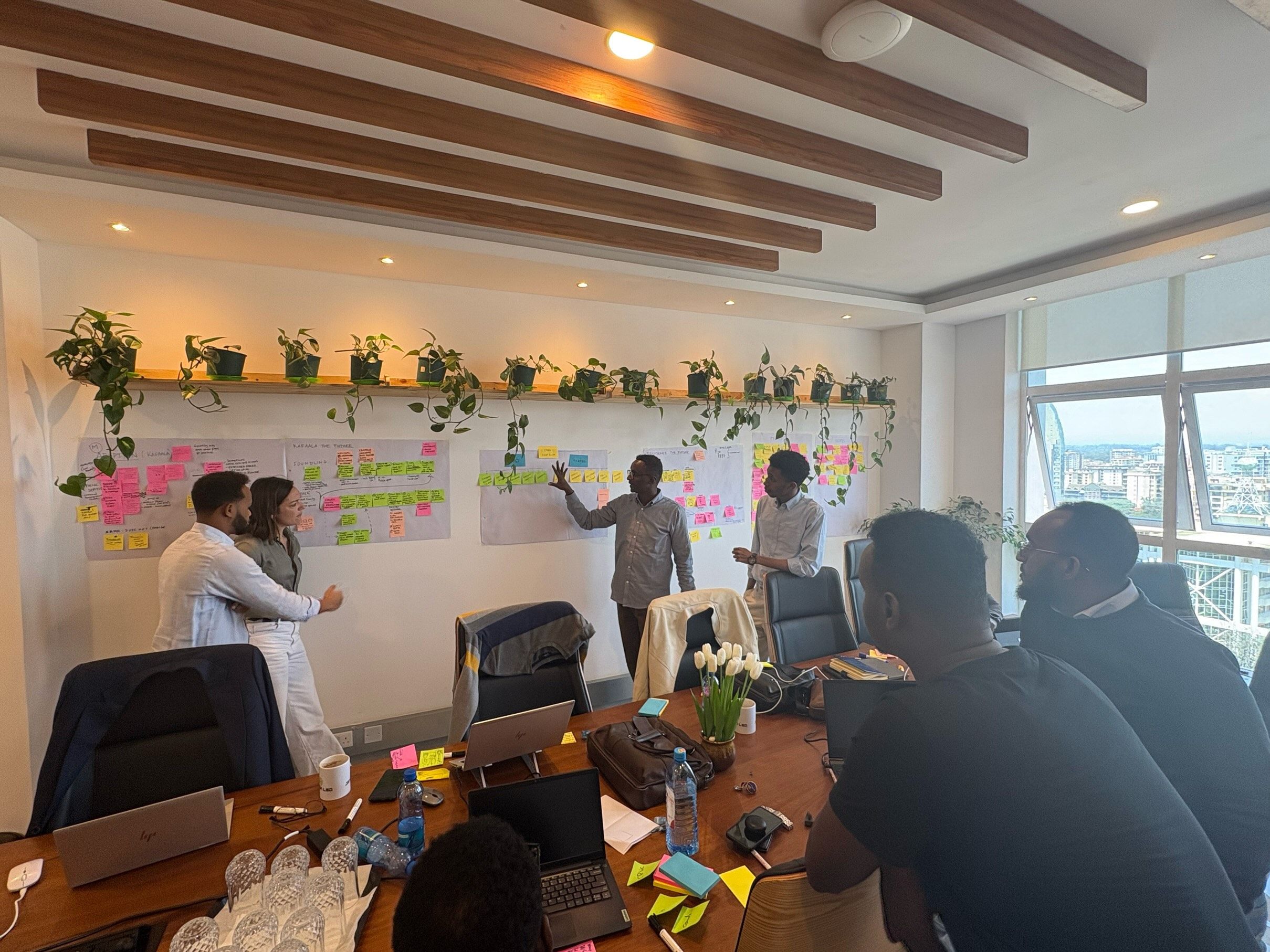
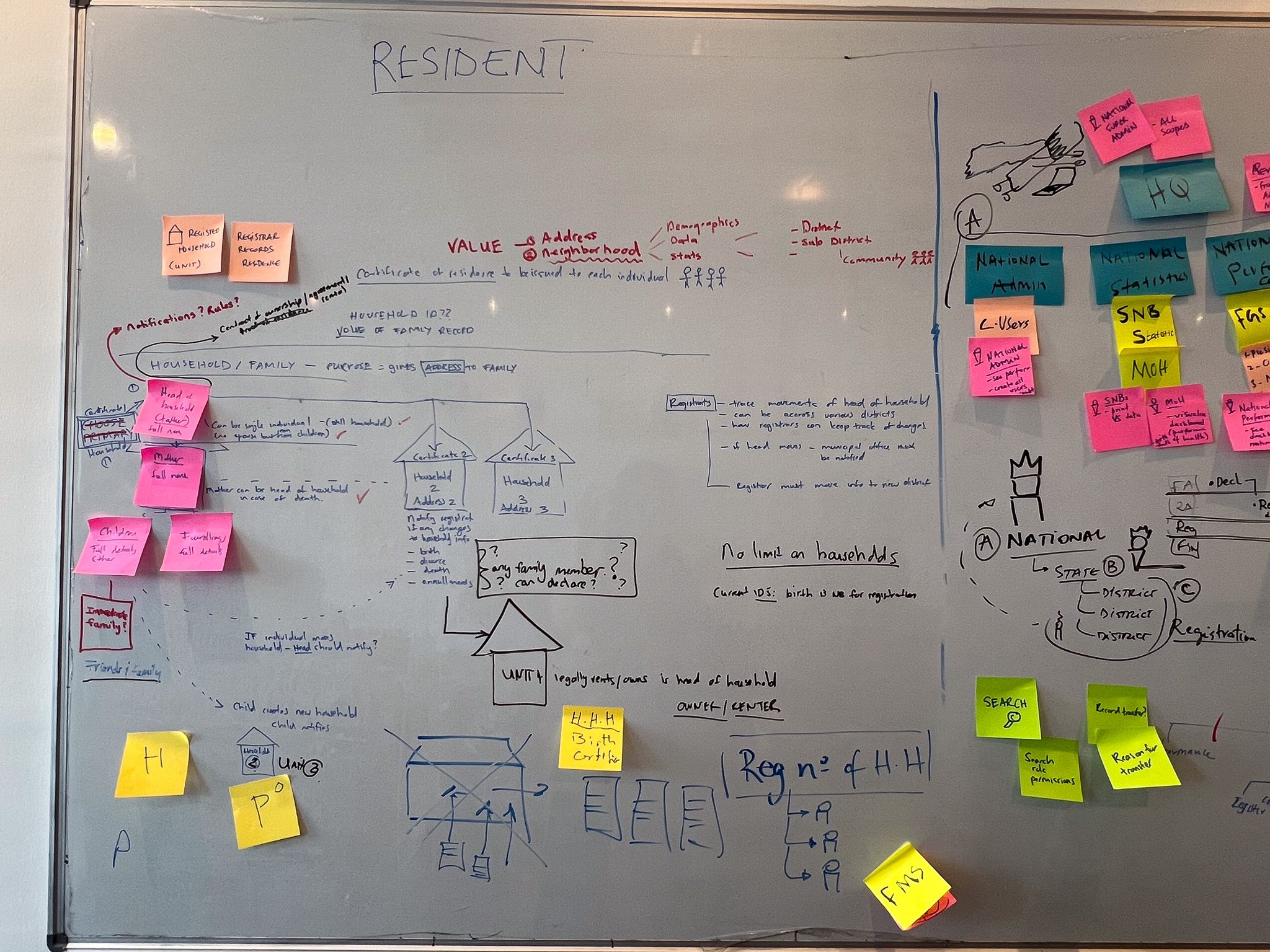
Each phase involved close collaboration with local partners through co-created workshops to map existing practices, clarify roles and hierarchies, and agree on a pragmatic service model. Early in this co-creation process, residence registration was prioritised as a foundational service, allowing tangible benefits to be realised quickly. Citizens were able to receive official proof of address from the outset, delivering immediate value for both government and citizens: enabling more effective planning for public authorities, and supporting access to services, voting, and dispute resolution for individuals.
The initial proof of concept has since evolved into a production deployment of Somalia’s Unified Digital Civil Registration System. Today, OpenCRVS operates in 30 Somali districts and is integrated with 160 hospitals, which play an essential role in registering events such as births at the point of occurrence. To date, the system has facilitated the registration of 28,391 births.
OpenCRVS’s collaboration with the Government of Somalia illustrates how digital public goods can enhance state capability in fragile contexts by enabling governments to leapfrog directly to modern, interoperable, and citizen-centred civil registration systems.
This content is part of the 2025 State of the Digital Public Goods Ecosystem Report, published by the Digital Public Goods Alliance in early February 2025. Learn more about the Alliance’s latest community highlights and explore the full report here.