April 6, 2026
Modernising Child Protection Case Management in Mexico
Author: Unknown
In Mexico, Child Protection Authorities (CPAs) are responsible for protecting children who experience violence, abuse, or neglect. In 2024, UNICEF and the Federal Child Protection Authority (FCPA) estimated that more than two million children require immediate protection. Meeting need is particularly challenging given significant budget gaps and limited case traceability. Case management practices have historically relied on fragmented, inconsistent paper-based approaches, further constraining coordination. While CPAs manage approximately 260,000 cases each year, actual demand exceeds two million children—underscoring the need for robust, scalable digital systems to improve both coverage and quality of care.
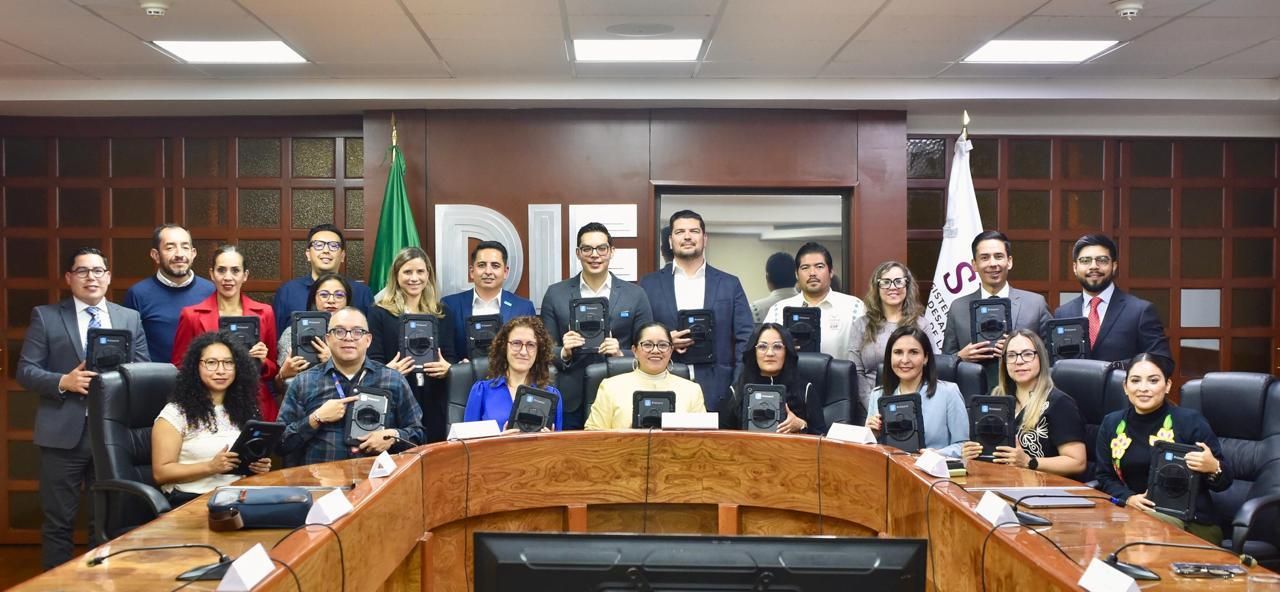
To address these challenges, the FCPA and UNICEF Mexico developed the National Case Management Model (MOGEC) to standardise and strengthen child protection procedures nationwide. MOGEC establishes minimum standards, operational steps, and technical criteria to support the implementation of legally mandated processes.
To operationalise MOGEC, the Government of Mexico leveraged the flexibility and adaptability of Primero, which was recognised as a digital public good in 2020. Adapting Primero, the platform was configured using the Child Protection Information Management System (CPIMS+) to reflect national procedures, and workflows, enabling standardised case registration, real-time monitoring, and improved inter-institutional coordination. Rollout began at the federal level and across eight states, reaching more than 300 trained users and benefiting an estimated 150,000 children directly and indirectly.
With technical support from UNICEF, FCPA customised Primero to guide multidisciplinary teams—including psychologists, lawyers, and social workers—on MOGEC processes. Primero became more than a case registry: it supported the adoption of improved workflows, reduced administrative burden, and strengthened decision-making. Users report improved interdisciplinary collaboration through shared case information and analysis. Offline functionality allows teams to manage cases in areas without internet, while automated reporting replaces manual reporting, saving time and improving data quality. Risk-based prioritisation tools further support teams in identifying urgent cases and tracking follow-up actions more effectively.
Using a DPG gave government officials in Mexico greater confidence to adopt the platform. DPG recognition signalled alignment with open-source standards and data protection best practices, while supporting interoperability and avoiding vendor lock-in and high licensing costs. It also reinforced national ownership.
In 2026, Mexico will host the FIFA World Cup. Authorities will use Primero to identify and refer to child protection risks during the event. The government is also exploring interoperability between Primero and other administrative systems, including registries of children in residential care, victims’ databases, and systems used by health, education, and justice institutions. Together, these efforts aim to create an integrated digital ecosystem that supports more effective protection for children in Mexico.
This content is part of the 2025 State of the Digital Public Goods Ecosystem Report, published by the Digital Public Goods Alliance in early February 2025. Learn more about the Alliance’s latest community highlights and explore the full report here.